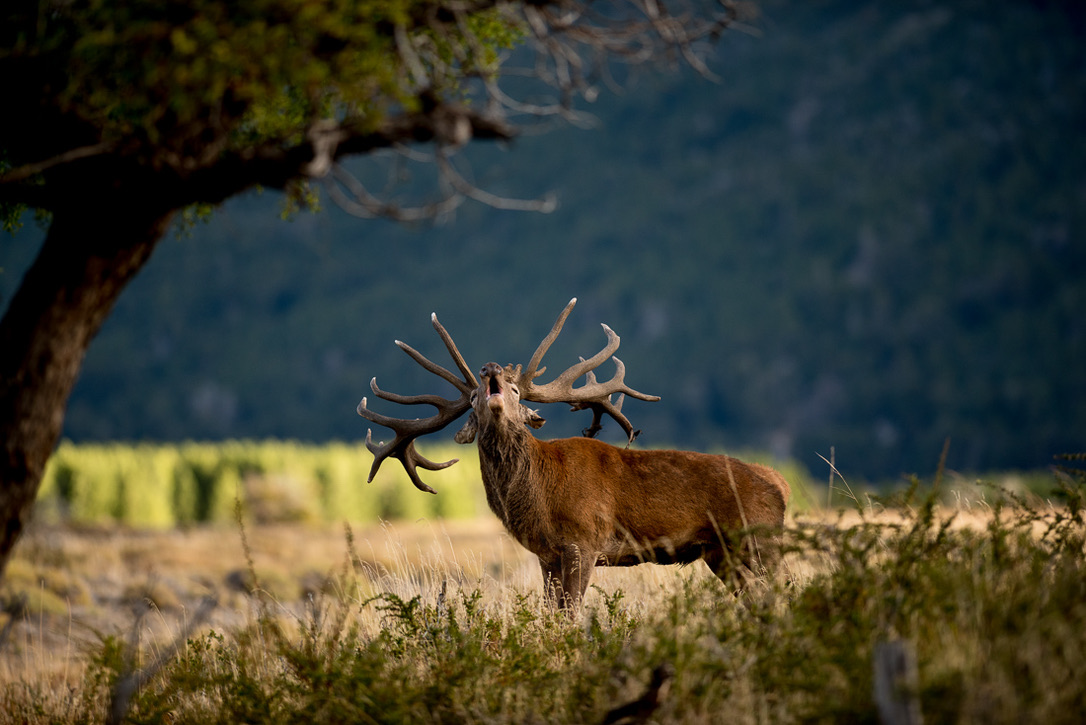
European by blood. Patagonian by birth.
Alpine ibex (Capra ibex ibex) are not native to South America. They were shipped out of Europe in 1966 and arrived here as Parque Diana was inaugurated as a coto that same year — part of a shipment of nearly 200 head of European game carried to Patagonia by ship and by plane. They took to the mountain immediately, doubled their numbers within three years, and have run wild on this mountain ever since.
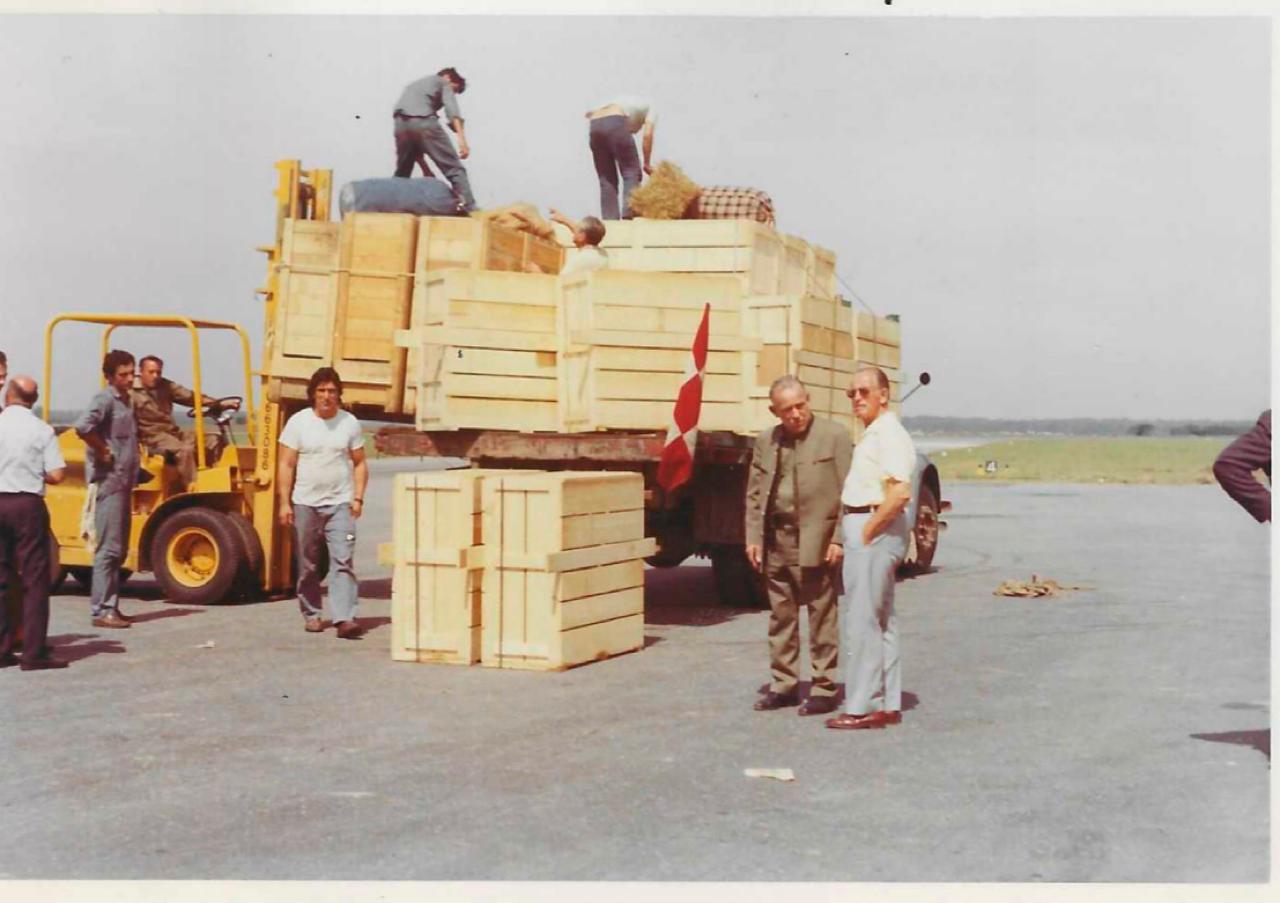
Their numbers doubled in three years, and the ibex kids born in Argentina bound over stock and stone as though they and their forebears had been living south of the equator for centuries.
From the Family Archive
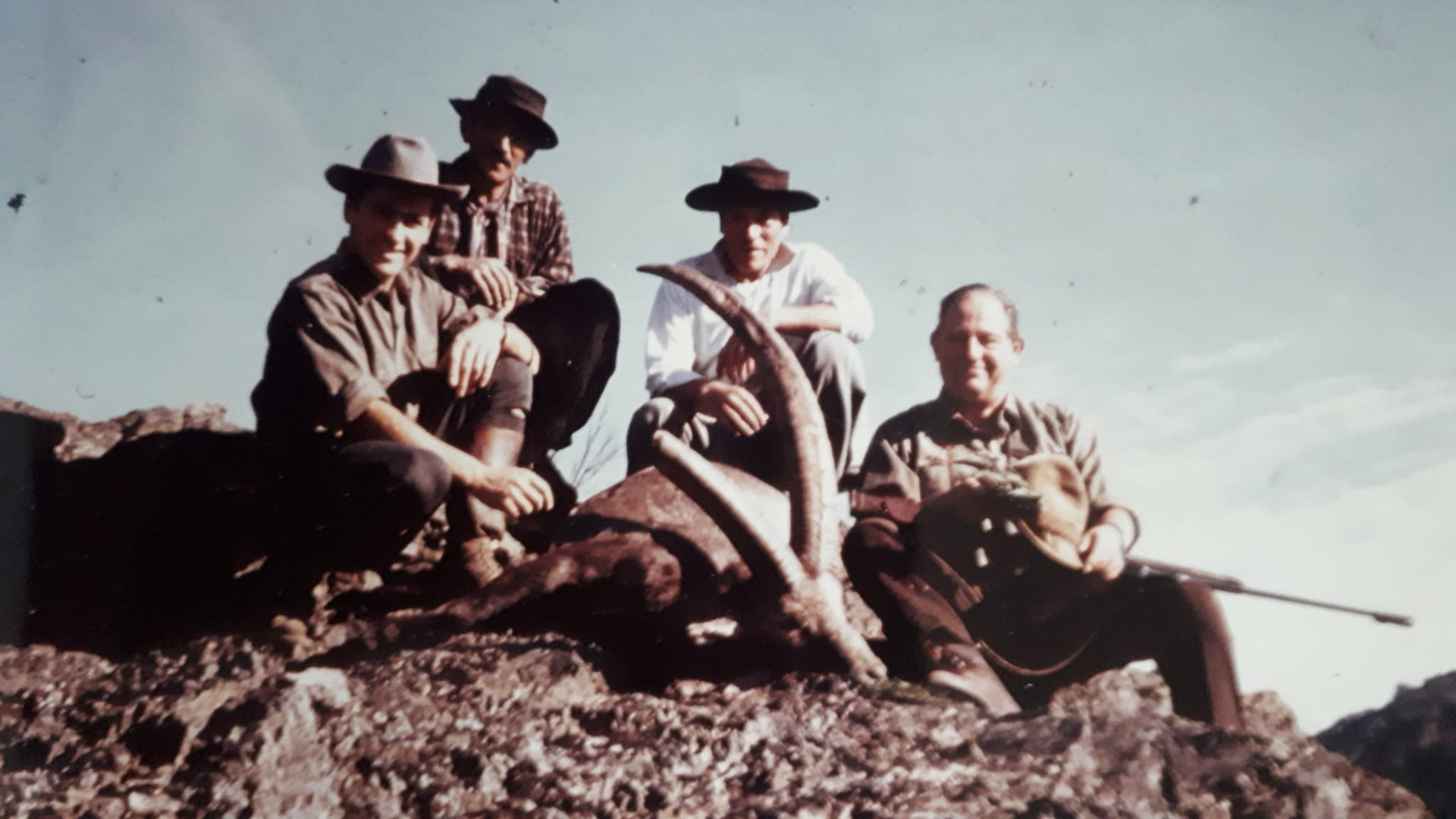
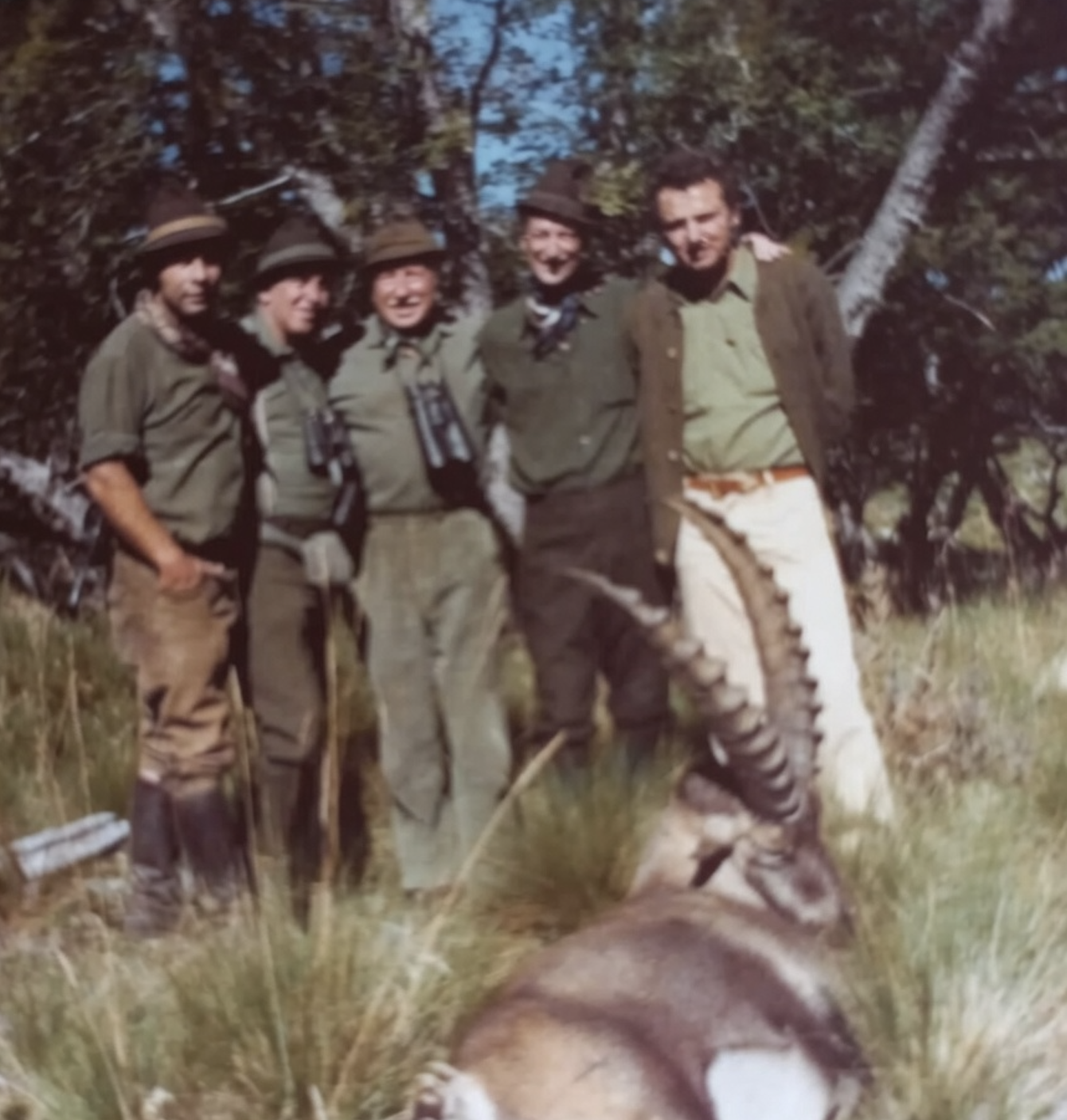
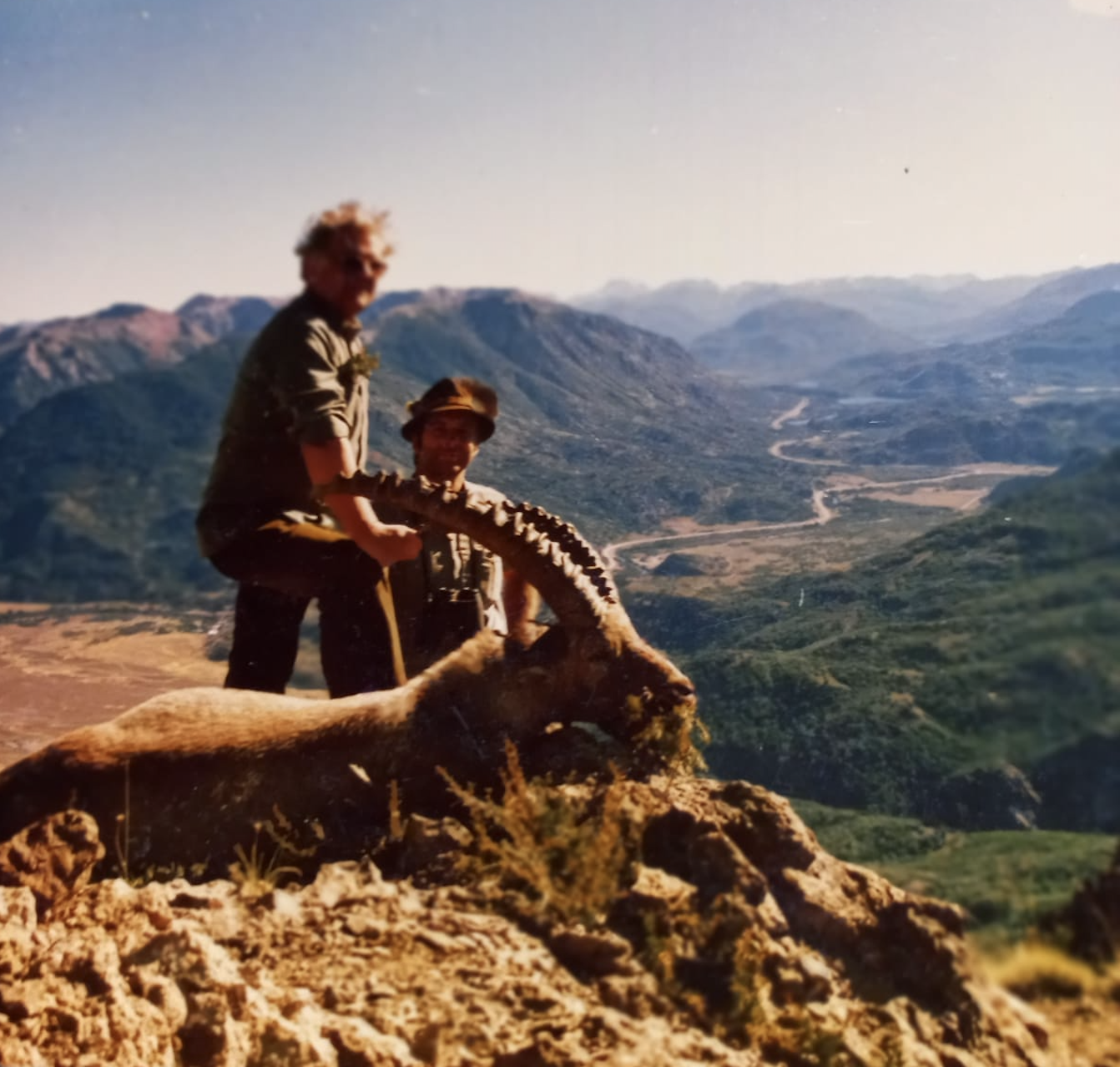
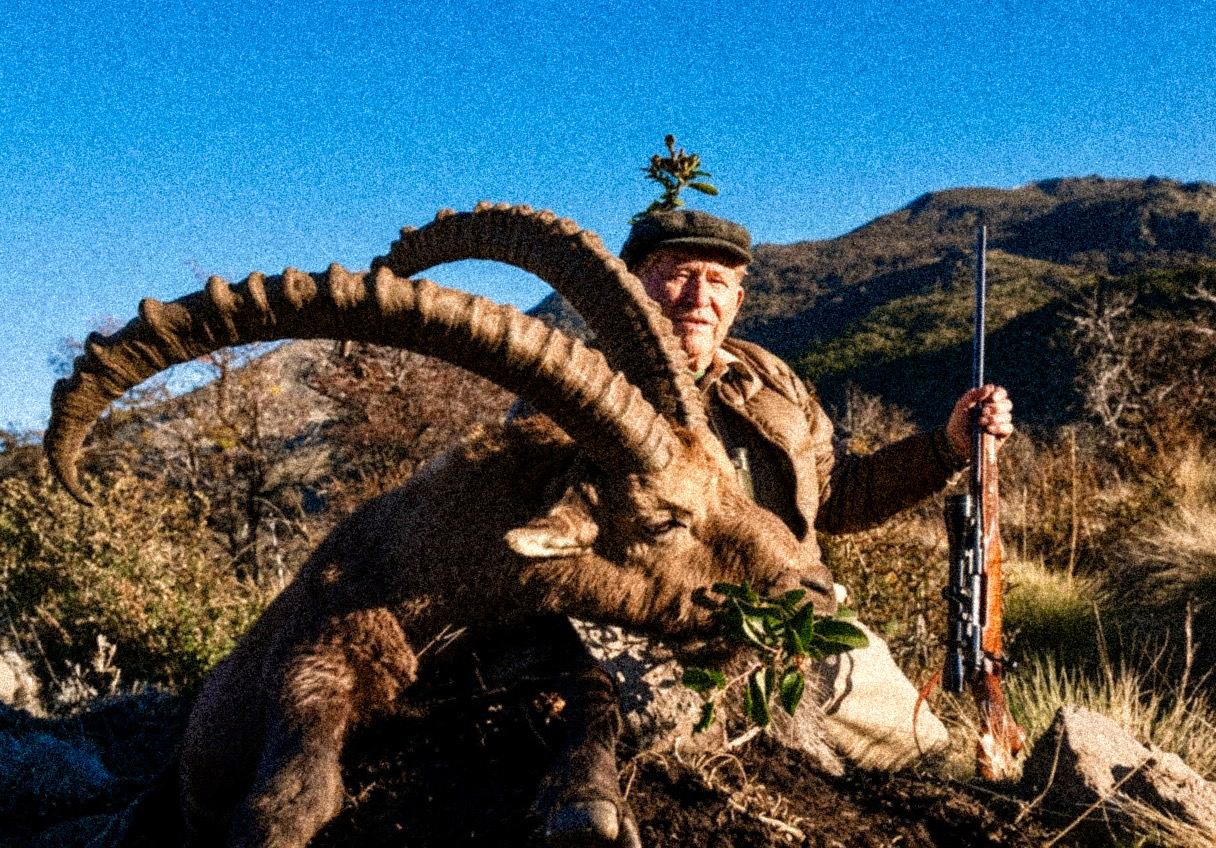
Hunting Alpine Ibex at Parque Diana
The only free-range population of Alpine ibex outside the Alps. Brought from Europe when Parque Diana was founded, they took to the mountain, spread on their own terms, and have lived wild here ever since. It is a mountain hunt in the full sense of the word: thin air, raw rock and animals that have never been pressured.
We glass from ridgelines at first light and close the distance only when the mountain allows. Your guide has spent decades reading these slopes; the stalk is as much a part of the memory as the shot.
These are mature males with heavy, sweeping horns — the kind of trophies that demand patience, fitness and a steady rifle.
- Only free-range Alpine ibex population outside the European Alps
- Hunted on foot, high on the mountain
- May hunts — small number of tags per season
- Recommended: good boots, moderate mountain fitness
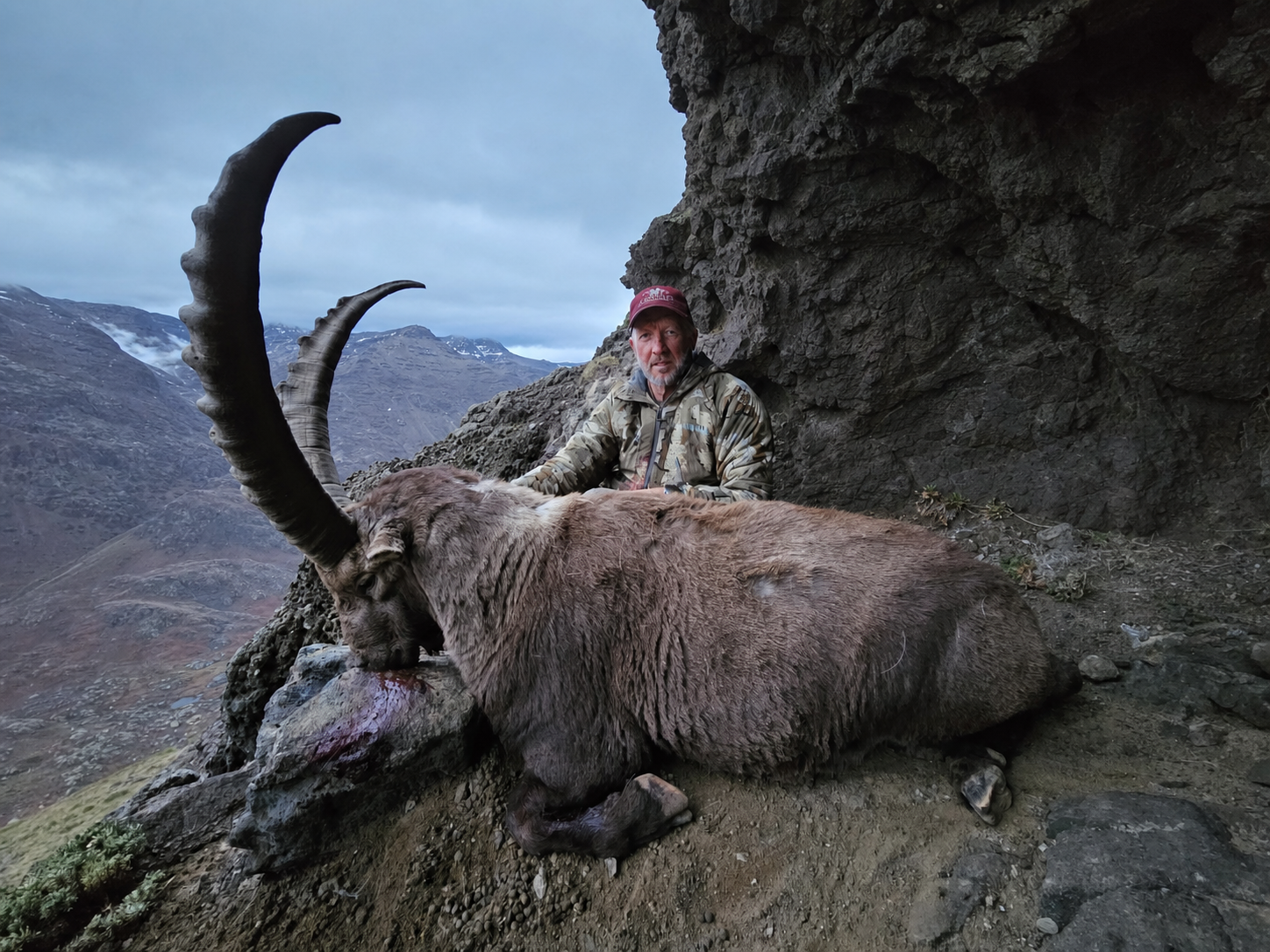
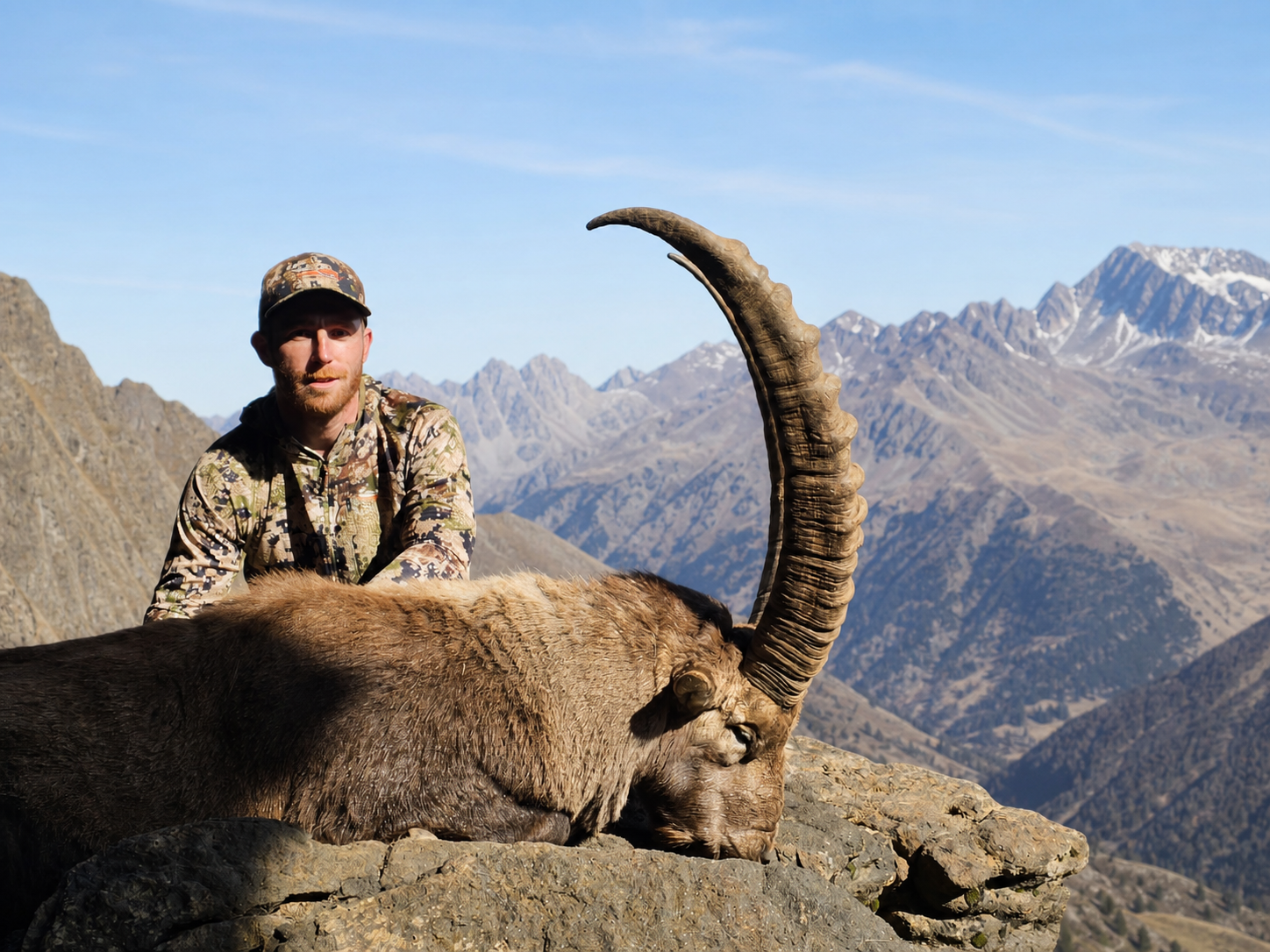
Alpine Ibex gallery
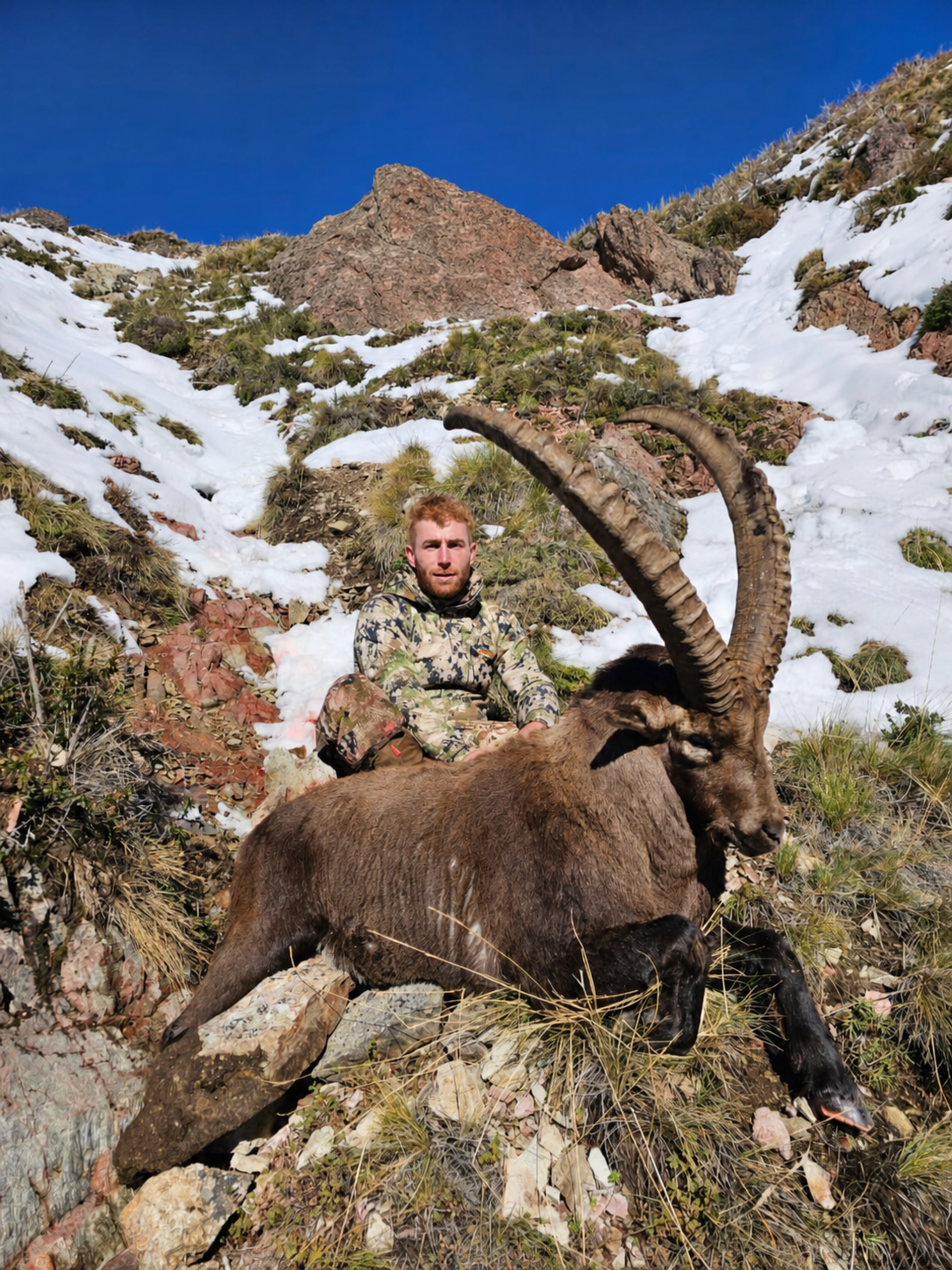
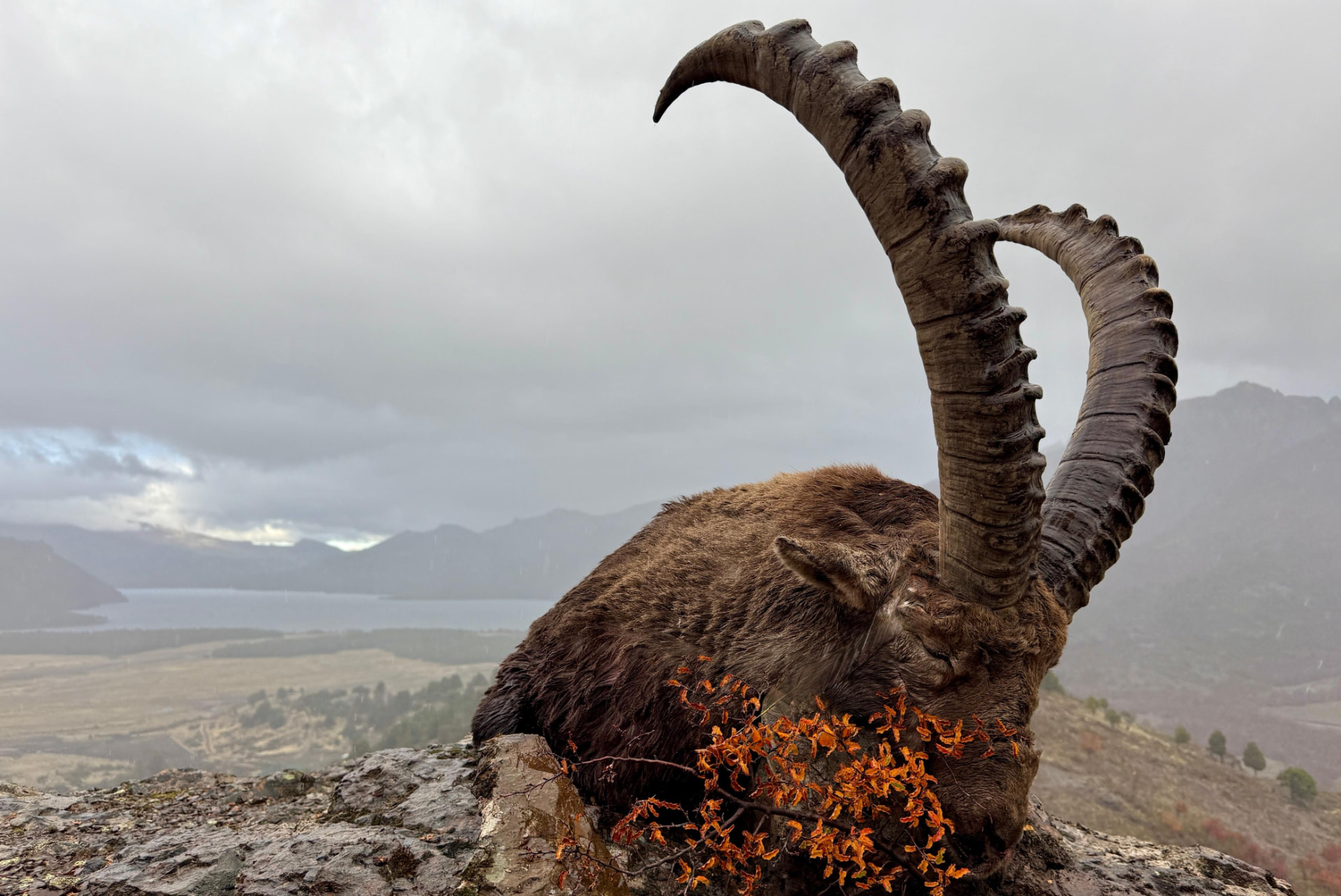
Free-range Alpine ibex billies from recent seasons on this mountain — mature males judged in the field for horn mass and length. SCI scores are confirmed after drying and added here as they are certified.
01 | 04